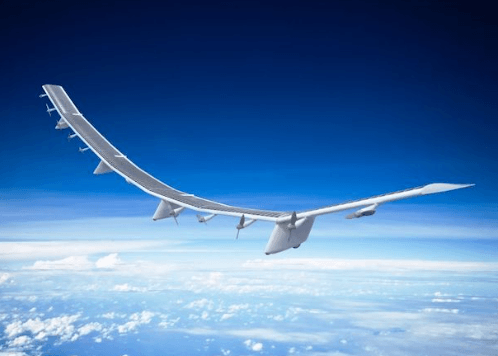
Aerospace innovation centers on integrated propulsion optimization, advanced aerodynamics, and intelligent systems that reduce drag and weight while improving efficiency. Next-gen materials enable lighter, more durable structures and robust thermal protection for rapid turnarounds. AI, autonomy, and layered sensing support fault-tolerant navigation and real-time anomaly detection, enabling adaptive missions. Governance and sustainability frameworks seek transparent accountability and lifecycle assessment. The balance of performance gains and responsible oversight will determine the trajectory of safer, greener skies.
How Aerospace Tech Is Redefining Efficiency and Speed
Aerospace technology is redefining efficiency and speed through integrated propulsion optimization, advanced aerodynamics, and intelligent systems that reduce drag, weight, and energy loss. The analysis focuses on measurable performance, comparing efficiency metrics across platforms and contexts.
Insights highlight how propulsion integration and flow control advance speed benchmarks, enabling consistent, scalable gains while maintaining safety, reliability, and operability within stringent design constraints.
Next-Gen Materials and Propulsion Driving Reusability
Next-gen materials and propulsion concepts are central to advancing reusability across aerial and space platforms.
The analysis focuses on material resilience, heat management, and cycle durability in demanding environments.
Next gen materials enable lighter structures and robust thermal protection systems, while propulsion breakthroughs support rapid turnarounds.
Reusability paradigms emerge from integrated thermal and mechanical design, emphasizing reliability, inspectability, and lifecycle efficiency.
AI, Autonomy, and Sensing: Smart Systems in Flight
The integration of artificial intelligence, autonomy, and sensing systems is redefining flight operations through layered perception, decision-making, and control processes.
This analysis examines how ai autonomy enables fault-tolerant navigation, adaptive mission planning, and real-time anomaly detection, while sensing systems provide redundant, high-fidelity data streams.
The emphasis rests on reliability, safety margins, and scalable architectures for complex autonomous platforms.
Sustainability, Ethics, and the Path Forward in Aerospace
What frameworks will shape sustainability, ethics, and governance as aerospace advances? The analysis identifies governance structures, lifecycle assessments, and transparent accountability as core components.
Sustainability ethics considerations guide risk, equity, and stakeholder inclusion, while emissions, material reuse, and energy efficiency metrics enable measurable progress. The path forward hinges on harmonized standards, verifiable auditing, and iterative technology assessment to balance innovation with responsible advancement.
See also: Innovations in Battery Technology
Frequently Asked Questions
How Do Aerospace Innovations Impact Global Climate Models and Policy Decisions?
Aerospace innovations influence climate models through satellite data streams, improving observations but raising cybersecurity concerns; impact on climate models, policy implications include more accurate projections and robust regulatory frameworks. Satellite mega constellations introduce data coverage benefits and governance challenges.
What Are the Ethical Implications of Autonomous Combat and Surveillance Drones?
Autonomous warfare raises ethical concern: studies show drones reduce pilot casualties by up to 75%, yet enable rapid escalation and accountability gaps. The analysis of drone ethics emphasizes proportionality, civilian harm risk, and governance in autonomous warfare systems.
Which Small-Scale Tech Transfers Most Influence Aerospace Manufacturing Costs?
Small scale tech transfers influence aerospace manufacturing costs by shifting tooling, processes, and supplier integration; overall effects hinge on learning curves, integration complexity, and standardization. They enable cost reductions but may increase upfront validation and quality assurance requirements.
How Will Quantum Computing Alter Flight Optimization and Air Traffic Control?
Quantum routing reframes flight optimization, while entanglement scheduling coordinates latency-critical decisions; juxtaposition reveals efficiency gains and risk tradeoffs. The analysis indicates measurable ATC throughput improvements and robust contingency handling under quantum-assisted planning for future free-flight operations.
What Cybersecurity Risks Accompany Increasing Satellite Mega-Constellations?
Satellite security challenges accompany mega constellations, revealing cyber risk exposure across space infrastructure. Analysts note systemic vulnerabilities, including supply chains, ground segments, and inter-satellite links, demanding robust encryption, continuous monitoring, and standardized risk governance to protect critical operations.
Conclusion
The trajectory of aerospace technology hinges on integrated propulsion efficiency, advanced materials, and intelligent systems that collectively reduce drag, weight, and turnaround times. Real-world case in point: reusable rocket stages using adaptive thermal protection and autonomous fault-tolerant guidance demonstrate rapid reflight capability. Hypothetical future: AI-driven airframe morphology adapts in flight to mission profiles, optimizing lift-to-drag ratios in real time. Together, governance and lifecycle assessment will ensure transparent progress toward safer, greener skies.
