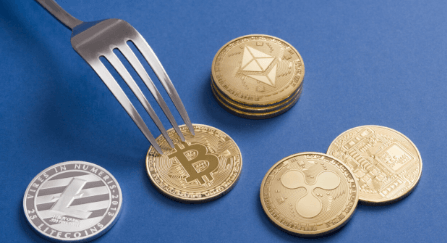
Hard forks and soft forks upgrade blockchain protocols in different ways. A hard fork changes rules so past blocks may become invalid, requiring broad upgrade and often signaling a governance split. A soft fork tightens rules while remaining compatible with existing blocks, enabling a gradual, backward-compatible transition. Each approach affects security, incentives, and decentralization differently. The choice shapes future governance and coordination challenges, leaving the outcome open to debate and consequence.
Hard Forks: What They Are in Plain Terms
A hard fork is a type of blockchain protocol upgrade that makes previously valid blocks or transactions invalid under the new rules, requiring all participants to upgrade their software. This change creates two paths: legacy and updated networks, reflecting divergence in governance and consensus.
Hard Fork, Soft Fork, discussion centers on decentralization tradeoffs and miner incentives, clarifying impacts on freedom and control.
How Soft Forks Stay Compatible
Soft forks stay compatible by tightening rules without invalidating already valid blocks. They maintain network continuity by recognizing older blocks as valid under stricter criteria, enabling a backward upgrade path. Nodes updated with the soft fork enforce new rules while non-upgraded nodes continue operation. This approach preserves soft fork compatibility, promoting gradual, non-disruptive adoption and freedom in protocol evolution.
Comparing Implications for Security and Governance
To what extent do hard forks and soft forks alter security guarantees and governance dynamics within a blockchain network?
The comparison highlights fork governance structures, stakeholder buy-in, and protocol change processes. In hard forks, security risks may spike during transition, while soft forks preserve continuity but concentrate influence. Overall, governance clarity and preemptive risk assessment shape resilience more than fork type alone.
Real-World Examples: When Forks Changed a Network
Real-world forks illustrate how governance choices and stakeholder alignment shape outcomes in practice. Instances show how fork governance influences adoption, coalition-building, and market reactions. When networks diverged, code upgrade timing determined compatibility and security posture, affecting validators and users alike. Clear signaling and rehearsal reduced disruption, while misalignment amplified forks’ costs. Governance transparency remains pivotal for durable network resilience and freedom-focused innovation.
Frequently Asked Questions
Can Forks Happen Unintentionally or Only by Design?
Forks can occur unintentionally, not solely by design. Unintended forks may arise from governance changes, economic incentives, or protocol ambiguities, revealing tensions between stakeholders and developers while illustrating how systems adapt to evolving needs and policies.
Which Is More Risky for Exchanges and Wallets?
“Markets fear change,” notes one adage. In fork dynamics, exchanges face higher risk than wallets; exchange risk rises with uncoordinated or contentious forks, while wallets generally tolerate updates, making them comparatively safer during non-contentious forks.
Do Forks Affect Transaction Finality Timelines?
Fork lifecycles can influence finality timelines through consensus dynamics and upgrade planning, with interoperability concerns and risk assessment shaping governance models, upgrade testing, developer incentives, treasury allocations, and governance models, affecting finality implications and broader ecosystem resilience.
How Do Forks Impact Blockchain Development Funding?
Markets illuminate forks’ impact: fork funding channels development incentives, tethering innovation to risk. In transparent governance, funding aligns with milestones, but volatility can erode certainty. Thus, developers pursue diversified grants, community-backed pools, and milestone-based allocations for resilience.
Can a Fork Be Reversed After Activation?
A fork cannot be truly reversed after activation; networks may, however, diverge into reversible forks by reorgs or subsequent consensus rules, while unintended forks often arise from incompatibilities and network fragmentation, potentially destabilizing security and encouraging coordinated governance.
See also: Innovations in Aerospace Technology
Conclusion
Hard forks and soft forks represent two paths for protocol evolution. A hard fork imposes new rules that invalidate some past blocks, creating a potential split and a governance moment. A soft fork tightens rules while staying backward compatible, enabling smoother transitions. Security and decentralization can shift differently: hard forks may reallocate incentives amid coordination risks, soft forks favor gradual alignment. Real-world stats show forks can coincide with notable price volatility and governance debates, underscoring the social dynamics behind technical upgrades.
