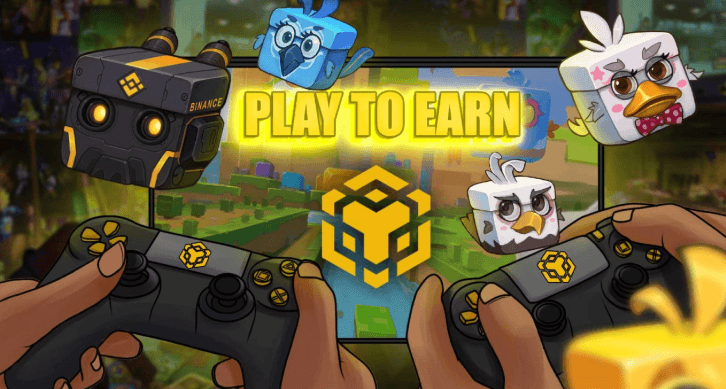
Play-to-Earn (P2E) games monetize player activity through token rewards and digital assets secured on blockchains. Revenue flows from tokenomics, in-game purchases, and marketplace fees, with assets traded both inside and outside the ecosystem. Critics flag scalability, volatility, leakage, and governance risk. To assess viability, one should examine token utility, inflation, decay, liquidity, and governance rights, relying on data-driven signals rather than hype. The question remains: can sustainable value emerge beyond initial hype?
What Are Play-To-Earn Games? A Quick Foundation
Play-to-Earn (P2E) games are digital titles that reward players with financial or in-game value for participation, progression, and achievement rather than solely for entertainment. The framework leverages blockchain-enabled ownership and digital assets.
Observed revenue models vary, including in-game purchases, tokenomics, and marketplace fees.
Data-driven assessment emphasizes transparency, scalability, and risk, while freedom-minded audiences seek sustainable, verifiable value through play toe games.
How Do P2E Revenues Actually Work
Revenue in play-to-earn ecosystems stems from a mix of tokenomics, in-game economies, and external marketplaces, all structured to convert player activity into transferable value.
The analysis shows how revenue streams emerge from fee structures, liquidity incentives, and asset appreciation, while tokenomics models govern supply, vesting, and utility.
Critical evaluation highlights scalability limits, monetization asymmetries, and potential leakage risks within these models.
Risks, Trade-Offs, and Real-World Value
While the appeal of sustained in-game value attracts participants, the ecosystem also embeds notable risks and trade-offs that can dilute real-world benefits.
Data indicates price volatility, liquidity constraints, and regulatory uncertainty limit durable gains.
Privacy concerns arise through data collection and tracking.
Speculative investments may amplify losses, misalign incentives, and curb sustainable engagement within digital ecosystems.
How to Evaluate P2E Projects for Yourself
How should a participant assess a play-to-earn project before commitment? The evaluation emphasizes underlying tokenomics, scrutinizing inflation, utility, and decay risks. Analyze player incentives to ensure sustainable engagement beyond hype. Consider governance models for proposal influence and decision rights. Assess market liquidity to gauge exit options and price stability, summarizing data-driven signals rather than promises.
See also: Innovations in Aerospace Technology
Frequently Asked Questions
How Do Governance and Voting Work in Play-To-Earn Ecosystems?
Governance structures in play-to-earn ecosystems rely on token-weighted voting and on-chain proposals; voting mechanisms often grant influence by stake, activity, or reputation. Critical data indicates centralized control risk, with freedom-oriented actors demanding transparency, audits, and interoperable governance across platforms.
What Jurisdictions Regulate P2E Revenue and Token Ownership?
Jurisdictional regulation varies by country, with some imposing strict AML/KYC and securities rules while others adopt permissive stances; token ownership entitlements remain disputed. Analysts emphasize jurisdictional regulation as pivotal, measuring risk, compliance costs, and cross-border enforceability.
Can P2E Assets Be Leased or Rented to Others?
Yes, P2E assets can be leased or rented to others, but leasing assets raises risk and regulatory questions; data-driven analysis notes fragmented renting markets, with variable enforcement and asset-sharing models, impacting freedom-oriented participants and platform governance.
How Sustainable Are In-Game Economies During Crypto Market Cycles?
In-game economies tend to experience cyclic sustainability tied to underlying token volatility and market demand; game economics show sensitivity to crypto swings, liquidity, and trader behavior, with long-term viability hinging on real utility and disciplined tokenomics amid volatility.
Do Players Actually Monetize Time Investment or Skill?
Like a clockwork maze, players sometimes monetize time investment but rarely skill alone. The data show mixed results: player incentives hinge on monetization model, opportunity cost, and evolving demand, with skill vs. time balancing differently across titles.
Conclusion
Play-to-Earn ecosystems demand rigor: tokens must sustain utility, inflation must be controlled, and decay balanced by real liquidity. Revenue should hinge on durable demand, not hype, with governance serving long-term alignment rather than capture. Projects should weather volatility through transparent metrics, verifiable turnover, and measurable participation. Analysts should trace asset velocity, marketplace fees, and token burn versus issuance. In evaluating P2E, one reads the numbers first, the narratives second, and the viability last through data-driven, critical scrutiny.
